




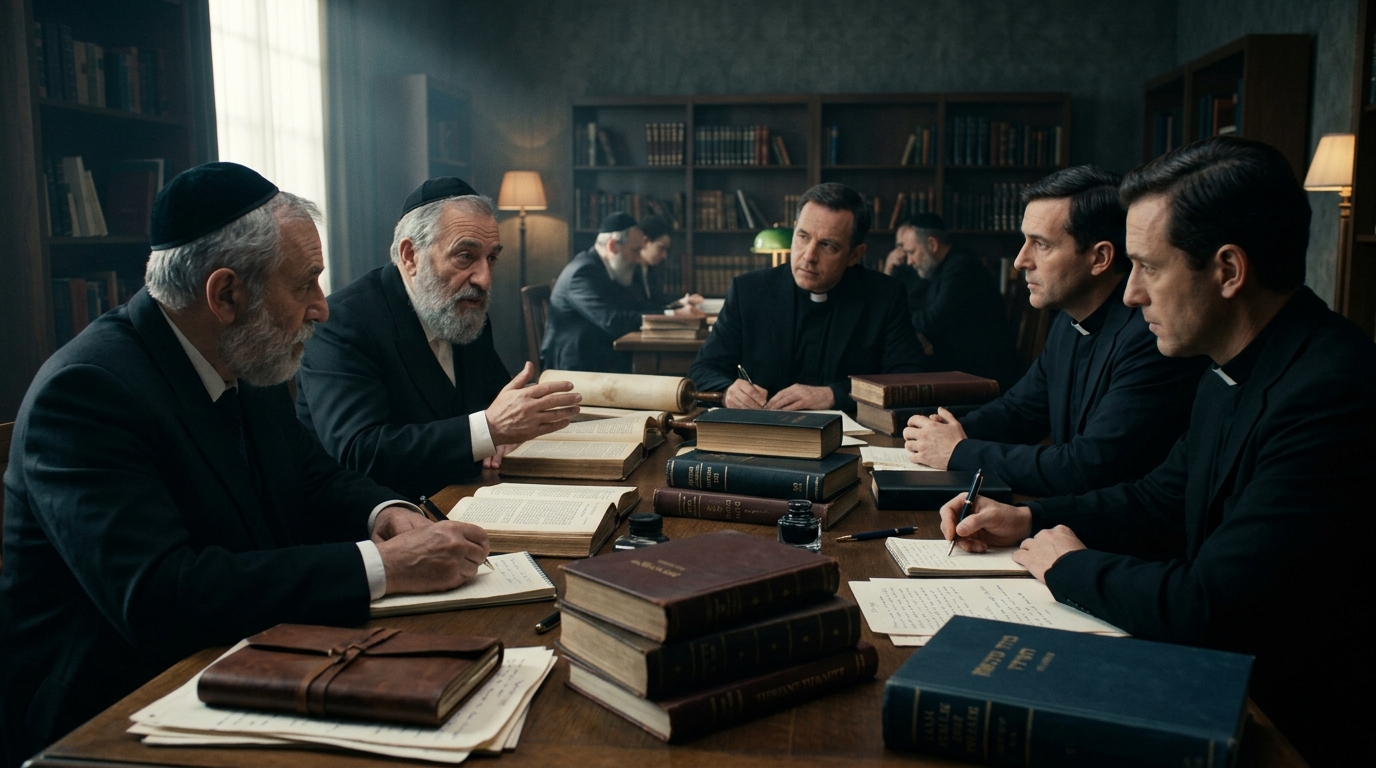


ARE YOU FOLLOWING DOCTRINE, DOGMA OR CANON ? part 1
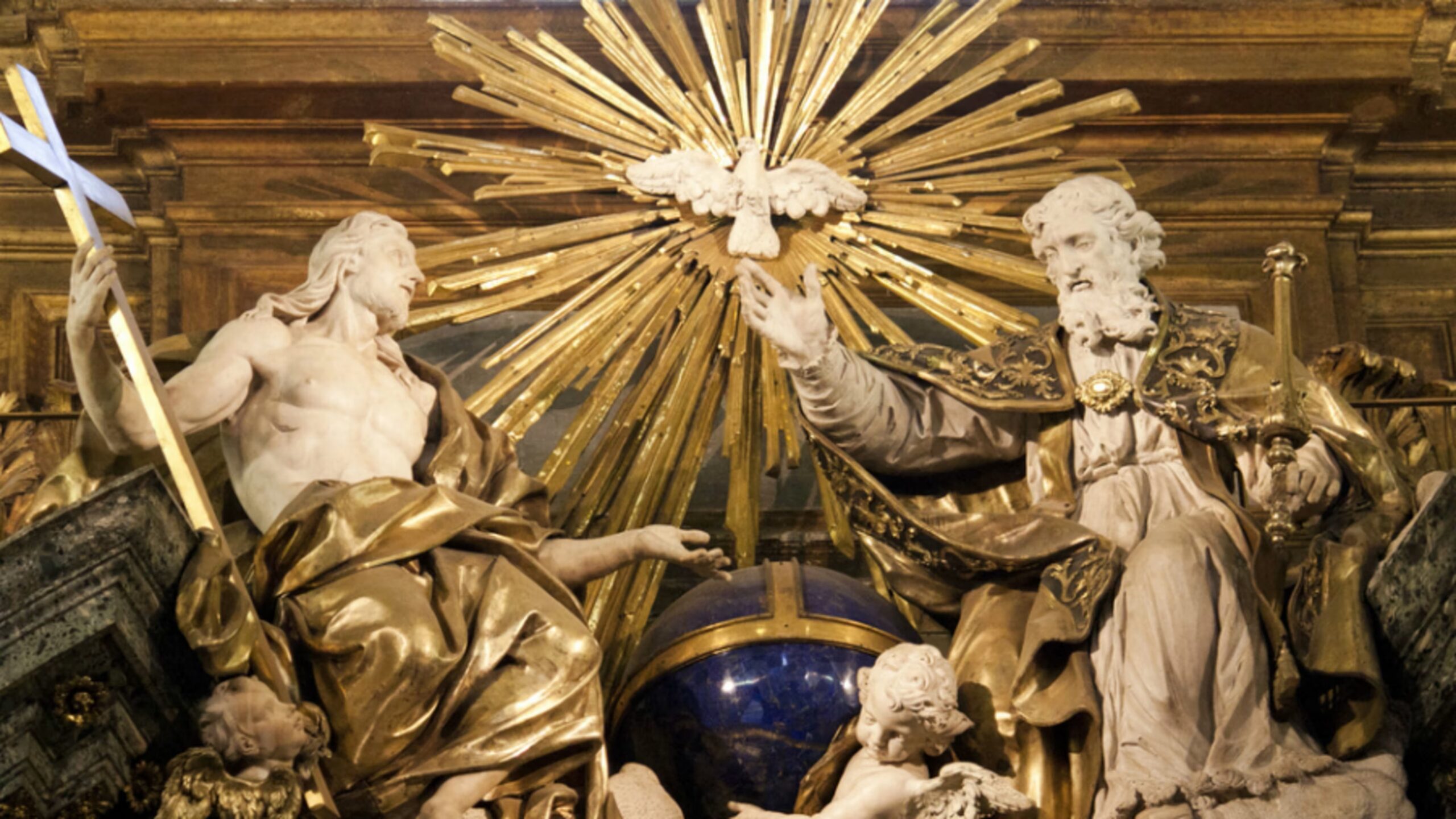
Go ye therefore, and teach all nations, baptizing them in the name of the Father, and of the Son, and of the Holy Ghost: Teaching them to observe all things whatsoever I have commanded you: and, lo, I am with you alway, even unto the end of the world. Amen. – Matthew 28 KJV
SO……. what are the distinct differences between doctrine, dogma and canon in christianity
In Christian theology, specifically within Catholic and Orthodox traditions, doctrine refers to the broad body of authoritative teachings on faith and morals proposed by the Church’s Magisterium, which are binding on the faithful but not necessarily infallible. Dogma is a specific, narrower subset of doctrine that has been formally defined by the Church as divinely revealed truth; it is infallible, immutable, and requires irrevocable adherence of faith, such as the divinity of Christ or the Trinity. Canon law (or canons) consists of the ecclesiastical rules and regulations governing the Church’s structure, clergy conduct, and disciplinary matters; unlike dogma, canons are mutable and can be changed or abrogated by ecclesiastical authority, though some canons may codify dogmatic truths.
The key distinctions lie in their source, authority, and mutability:
- Authority and Source: Doctrine originates from Divine Revelation (Scripture and Tradition). Dogma is taught authoritatively by the Magisterium as necessary for faith and morals but may not be directly revealed. Canon law is legislative, issued by bishops or councils to organize church life.
- Mutability: Dogmas are immutable and cannot be changed or denied without committing heresy. Doctrines are definitive and binding but can be elaborated or clarified over time. Canons are mutable and can be revised, updated, or rescinded based on the Church’s disciplinary needs.
- Consequence of Rejection: Denying a dogma constitutes heresy and severs one from the faith. Rejecting non-dogmatic doctrine may involve theological error but does not necessarily constitute heresy. Violating canon law results in canonical penalties (e.g., excommunication or suspension), which are disciplinary rather than doctrinal.
While some canons may reflect or protect dogmatic truths, canon law itself is a system of governance distinct from theological belief.
All dogmas are doctrines, not all doctrines are dogmas.
Dogma and Canon Compared to The Talmud in Judaism
The parallels between Dogma and Canon and the Talmud are substantial, and the Pharisees’ self-understanding makes the comparison especially illuminating:
Shared Structural Features
Written core + authoritative oral interpretation. The Pharisees held that God gave Moses a twofold Torah at Sinai — the Written Law (Torah she-biktav) and the Oral Law (Torah she-be-‘al peh) — and that the Oral Law was co-equal in authority with the Written. This maps directly onto the Catholic distinction between Sacred Scripture and Sacred Tradition as “two streams from the same source.” In both systems, the written text is incomplete without the interpretive tradition that gives it practical force.
A learned class as gatekeeper of meaning. The Pharisees (and later the Rabbis) positioned themselves as the sole authorized interpreters of the Law, citing Deuteronomy 17:8–11 (“according to the judgment which they shall tell thee shalt thou do”). This is structurally identical to the Magisterium’s role in Catholicism: a constituted authority whose interpretations are binding on the faithful, not merely advisory.
The interpretive body is not scripture but is nonetheless foundational. The Talmud is not Torah, yet it is considered essential to normative Judaism — Britannica notes it has “very nearly the authority of the Mosaic Torah.” Similarly, the Catechism and canon law are not Scripture, yet they are binding in Catholic practice. Both function as the lens through which the base text is applied.
| Feature | Pharisaic/Rabbinic system | Christian system |
| Written foundation | Torah (Pentateuch) | Scripture (OT + NT) |
| Authoritative interpretation | Oral Law → Mishnah → Talmud | Tradition → Catechism, Councils, Magisterium |
| Practical/disciplinary law | Halakha (the “path”) | Canon law |
| Rationale for interpretation | “Fences” (sieg) around the Law to prevent transgression | Canon law protects doctrinal truths; discipline safeguards the faithful |
| Mutability | Halakha can be revised by later sages; the Pharisees “admitted the principle of evolution in the Law” | Canon law is explicitly mutable; doctrine can be elaborated |
| Consequence of rejection | Exclusion from the community (cherem) | Heresy / excommunication |
Key Differences Worth Noting
The Talmud is a record of debate, preserving multiple opinions and unresolved disputes. Christian dogma, once defined ex cathedra, is presented as a single, settled, infallible pronouncement. There is no equivalent in Catholicism of the Talmudic “the words of Hillel and the words of Shammai” both being preserved as legitimate.
The Pharisees’ supposed claim was stronger in one respect: they held the Oral Law to be divinely revealed at Sinai, not merely a human elaboration. Canon law is openly human legislation; even dogma, while claimed to be revealed, is defined by human authority.
Scope: The Talmud blends law (halakha), narrative/exegesis (haggadah), and philosophy in one corpus. The Christian system separates these into distinct genres (Scripture, Catechism, canon law, patristic commentary).
But in vain they do worship me, teaching for doctrines the commandments of men. – Matthew 15:9 KJV
IN SHORT…
the Pharisees built a system in which oral, interpretive authority is as binding as the written text itself, maintained by a learned class, and capable of evolving — a structure that the Catholic Church’s doctrine + tradition + canon law framework mirrors almost point for point.
Starting from the Pharisaic claim itself, the parallels unfold in a clear sequence:
The Origin Point: A Twofold Revelation
The Pharisees’ foundational claim was that at Sinai God gave Moses two Torahs simultaneously: the Written (Torah she-be-khetav) and the Oral (Torah she-be’al-peh), with the latter co-equal in divine authority. Shammai and Hillel are the first to articulate the two as equally binding. This is structurally identical to the Catholic claim that the Church receives one deposit of faith in two modes — Sacred Scripture and Sacred Tradition — neither reducible to the other.
The critical detail: the Oral Torah was deliberately kept unwritten so that each generation’s sages could apply it creatively to new circumstances. Chief Rabbi Glasner put it plainly: the reason it was oral “was not to make [the Torah] unchanging and not to tie the hands of the sages of every generation from interpreting Scripture according to their understanding.” This is the same logic that keeps Catholic canon law mutable and allows doctrine to be progressively elaborated without being “changed.”
The Chain of Transmission
| Stage | Pharisaic/Rabbinic | Catholic parallel |
|---|---|---|
| Divine source | Sinai (both Torahs together) | Revelation (Scripture + Tradition) |
| First carriers | Elders → scribes → Pharisees | Apostles → bishops (Apostolic Succession) |
| Codification | Mishnah (~200 CE) after Temple’s destruction | Early councils (Nicaea 325, etc.) |
| Commentary/expansion | Gemara → Talmud (completed ~500 CE) | Patristic writings → Catechism |
| Living law | Halakha (ongoing rabbinic rulings) | Canon law (ongoing papal/episcopal legislation) |
What the Pharisees Actually Did That Mirrors Dogma + Canon
The Pharisees generated a ramified hermeneutical system (the middot, first laid down by Hillel’s school) that let them:
- Define binding doctrine from the Written text (e.g., “an eye for an eye” = monetary compensation, not literal retaliation) — this is the dogmatic function: fixing what the text means authoritatively.
- Innovate new regulations (takanot) based on “according to the word they tell you… according to all they instruct you” (Deut. 17:9–11) — this is the canonical function: adding practical rules not found in Scripture.
- Preserve internal dispute as legitimate (Hillel vs. Shammai, both preserved in the Talmud) — a feature with no exact Catholic equivalent, where defined dogma admits no preserved minority opinion.
The one difference is that the Talmud preserves the debate as part of its authority (“both sides are the words of the living God”), while Catholic dogma, once defined, closes the question. The Pharisaic model is more like an ongoing council than a final pronouncement, which closely resembles the interpretive model of christianity up until present the present time evolving through various denominations that still hold onto various catholic and orthodox dogma whilst holding to varying viewpoints as denominational revealed dogma.
The Key Structural Parallel in One Sentence
The Pharisees built a system in which a living, evolving, human-administered interpretive tradition is held to be as divine and binding as the written revelation itself — and that is precisely what the Catholic Magisterium claims for Tradition relative to Scripture, and what canon law operationalizes for governance.
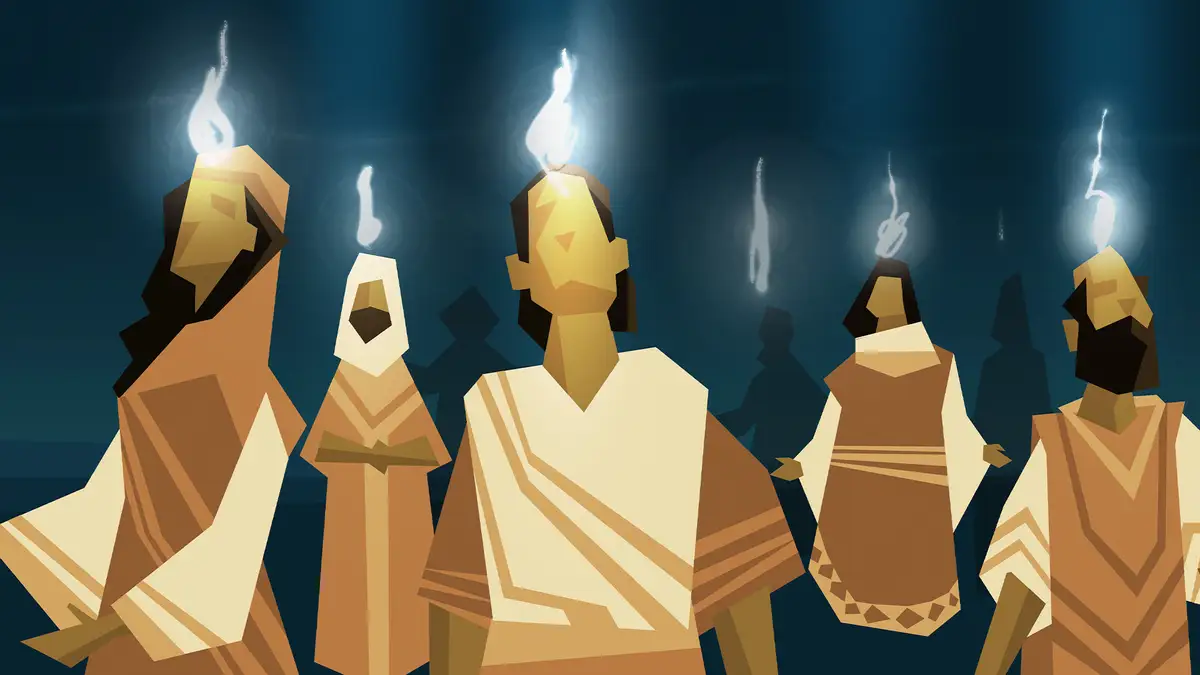
Then they that gladly received his word were baptized:…….And they continued stedfastly in the apostles’ doctrine and fellowship, and in breaking of bread, and in prayers. – Acts 2 KJV
…Wherefore rebuke them sharply, that they may be sound in the faith; Not giving heed to Jewish fables, and commandments of men, that turn from the truth. Unto the pure all things are pure: but unto them that are defiled and unbelieving is nothing pure; but even their mind and conscience is defiled. They profess that they know God; but in works they deny him, being abominable, and disobedient, and unto every good work reprobate. – Titus 1 KJV